The Art of Interaction: What We Learn When We Take theTime to Know Each Other

Over the years, both in my professional life and in my personal experiences, I have learned that interaction is an art.
It sounds simple. We meet someone, say hello, start a conversation and perhaps, with a little luck, become friends. But meaningful interaction asks for much more than conversation. It asks us to notice, listen, adapt and sometimes let go of what we thought we already knew.
Working around disability and inclusion has taught me a great deal about accessibility. But my personal experiences have taught me something equally important: accessibility is not only about buildings, technology or physical spaces. It is also about how we interact with one another.
Sometimes accessibility is giving someone a little more time to respond.
Sometimes it is choosing a quieter place.
Sometimes it is communicating through text rather than a phone call.
Sometimes it is understanding that someone's energy can change from one day to another.
And sometimes it is simply asking, “What works for you?”
I think that question can change the way we approach people.
We often make assumptions without realising it. We may see someone using a wheelchair and immediately assume they need help. We may meet someone who communicates differently and make assumptions about their personality or abilities. Someone may take longer to respond, avoid crowded places or prefer to stay home, and we may interpret those choices through our own experiences.
But interaction gives us an opportunity to replace assumptions with understanding.
Once we actually get to know someone, the label becomes only one small part of the person.
You discover their sense of humour. Their favourite music. The things they are passionate about. Their strange obsession with a particular television show. The stories they tell. The things that make them laugh. The things they are still learning.
You begin to see the person rather than the difference.
Why Buddy-up matters to me
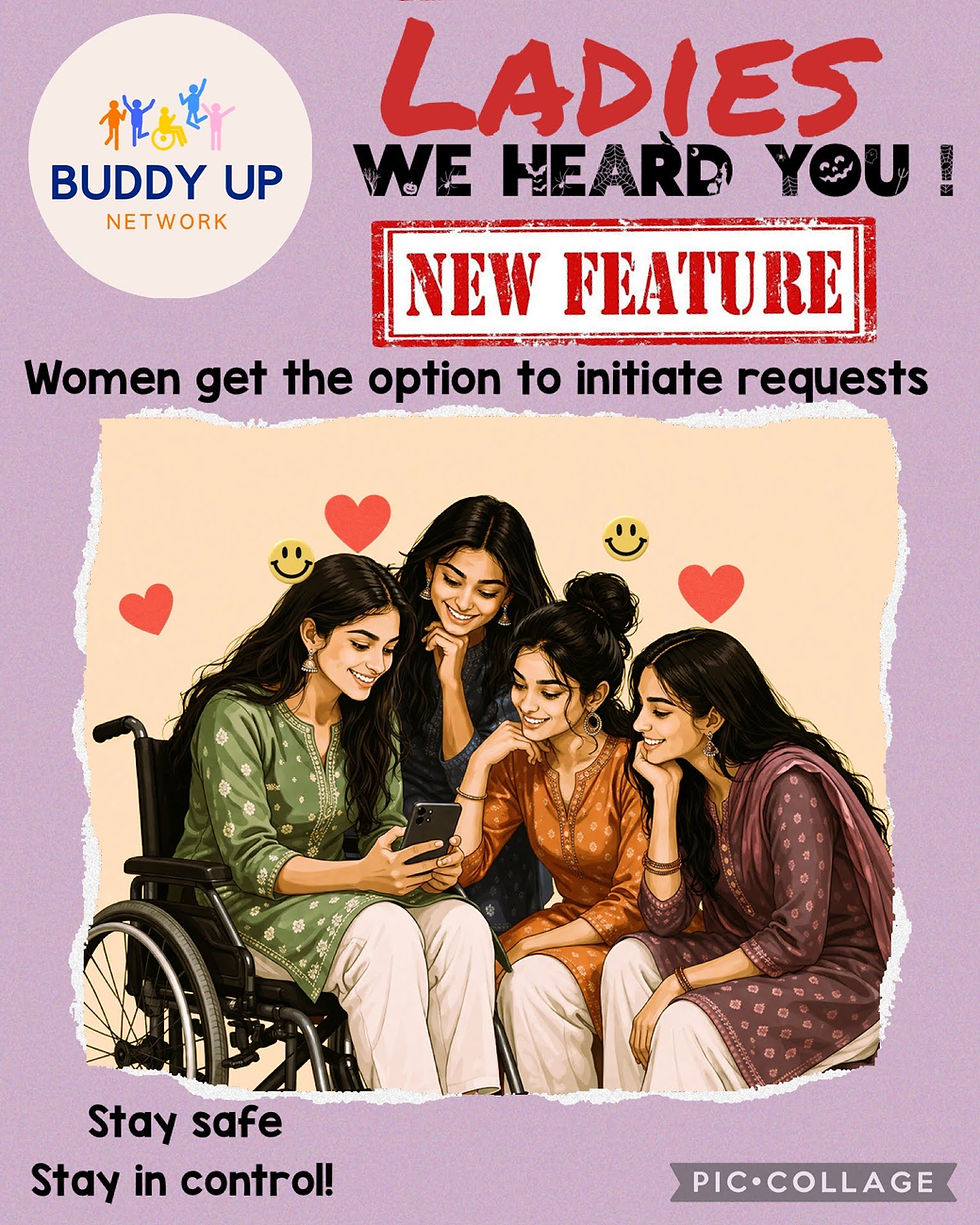
This is one of the reasons I believe a platform like Buddy-up can be so meaningful.
Buddy-up can create a space where people don't have to wait for a formal event, workplace, classroom or chance encounter to meet someone outside their usual circle. It can open the door to conversations between people with different disabilities, different experiences, different interests and different ways of communicating.
And the purpose doesn't have to be complicated.
Sometimes we simply want someone to talk to.
Sometimes we want to share an interest.
Sometimes we want to find a person to play a game with, exchange ideas, explore a hobby or have a coffee with.
Sometimes we may be looking for a friendship that stays online.
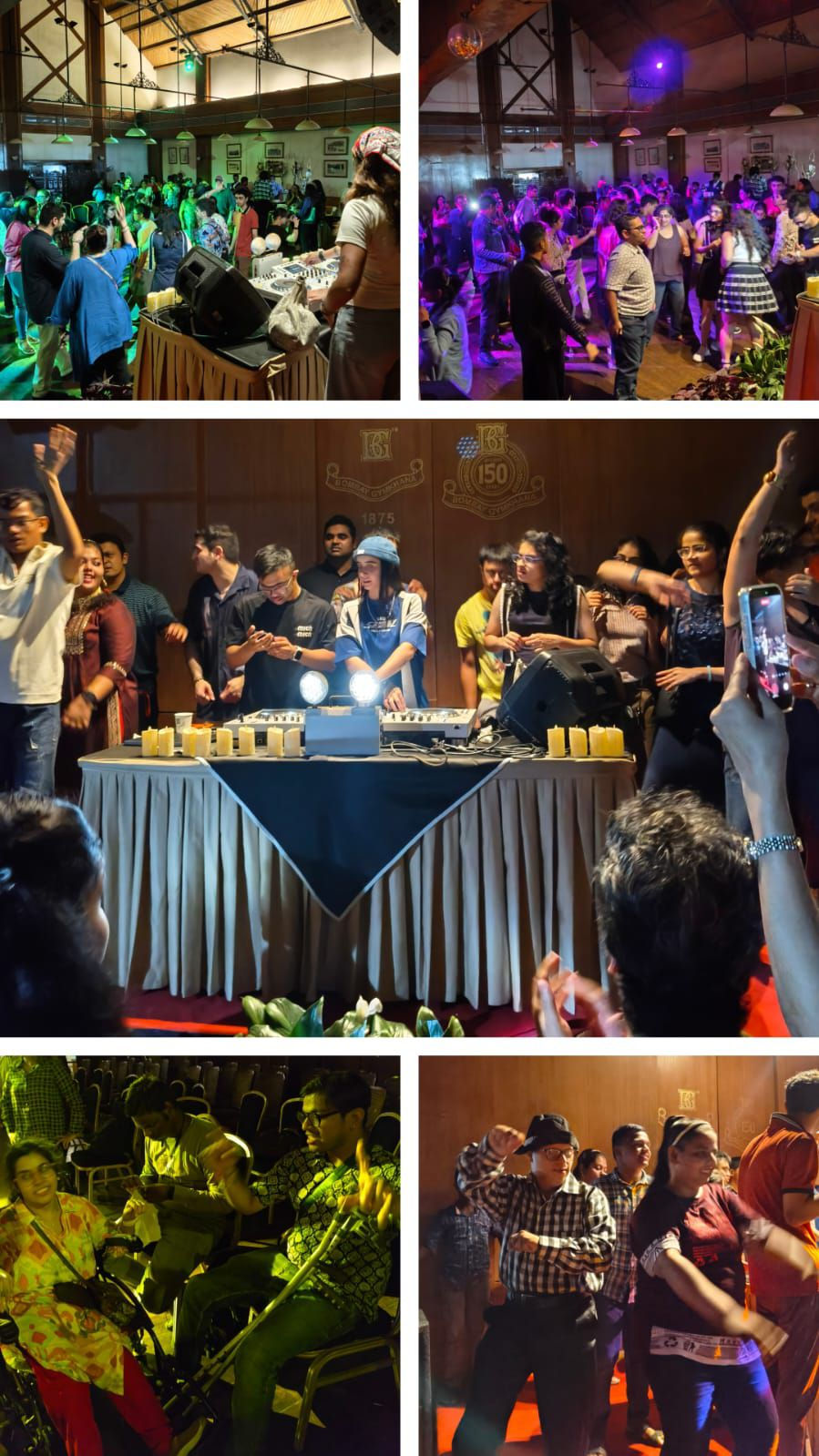
And sometimes a conversation can eventually become a friendship that moves into the real world.
The important thing is that connection gets a chance to begin.
A platform like Buddy-up can also give us something that information alone cannot: an opportunity to learn directly from one another.
We can observe how someone communicates. We can learn what makes them comfortable.
We can discover that the way we thought we should interact isn't necessarily the best way for another person.
And that is okay.
We don't have to know everything about every disability, communication style or access need. We don't have to become experts before saying hello. We can learn through the relationship itself.
We can ask respectfully.
We can listen.
We can make mistakes, apologise and learn.
We can become better friends because we are willing to understand.
Where inclusion becomes real
For me, that is where inclusion becomes real.
My professional life may have taught me about accessibility, but friendship teaches me about people. It reminds me that nobody wants to be known only through their needs. People want to be known for who they are, what they love, what they dream about and what makes them laugh.
Of course, understanding someone's needs matters. If a friend needs a quiet environment, an accessible venue, additional time or a particular way of communicating, knowing that helps us create space for them.
But knowing someone's needs should be part of knowing the person, not defining the person.
Perhaps this is what makes interaction such an important part of building a community.
We don't become more inclusive simply by being told that differences exist.
We become more inclusive by meeting people, listening to their experiences and allowing those experiences to broaden our understanding of the world.
That is the opportunity I see in Buddy-up: not simply a platform to find someone to talk to, but a community where people can observe, interact, learn, share experiences and make genuine friendships.
It can be a place where someone who has always felt different discovers that there are people who understand them.
It can be a place where someone who has never interacted closely with a person with a particular disability learns something new-not from a textbook, but from a conversation.
And it can be a place where both people realise that they have much more in common than they first imagined.
We don't need perfect words.
We don't need to know all the answers.
We just need enough curiosity to say:
“Tell me about yourself. Let me get to know you.”
Because perhaps the best way to understand a diverse world isn't to stand outside it and study it.
It is to meet the people who live in it-and become friends with them.

Comments