Four Things We Got Right: How to Prioritise Friendship for your Neurodivergent Child
- Moneisha Gandhi
- Mar 21
- 3 min read
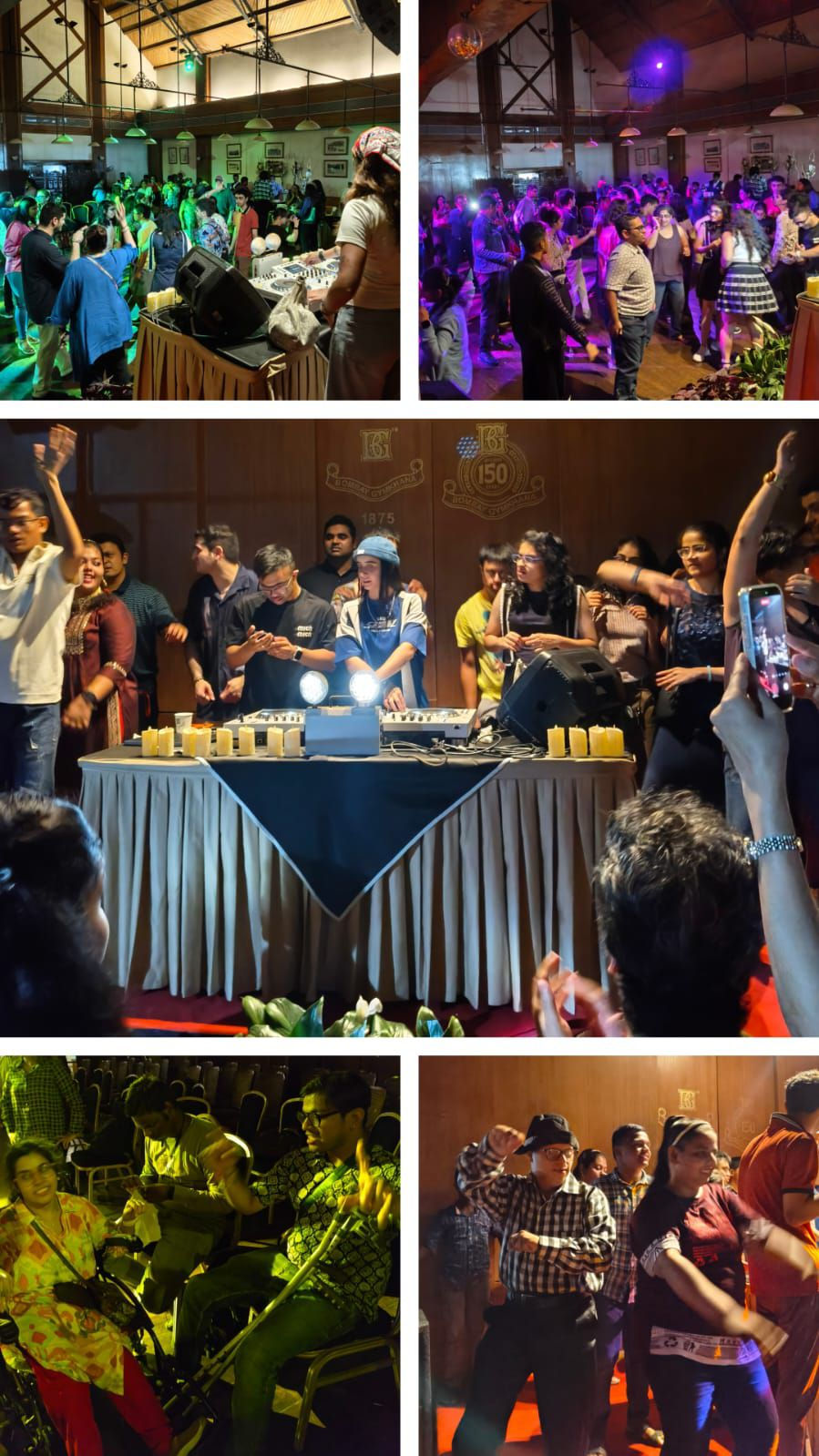
My son Mihaan, 21, is our family’s social butterfly. Armed with self-confidence, a gift of the gab and a cheeky sense of humour, he sets out each day on a charm offensive that disarms everyone he meets and melts even the hardest hearts. He thrives in company and is the self appointed social secretary of his friend group, and is constantly scouting for - or planning - the next big party.

When I think back to my own childhood, I remember seeing adults with disabilities accompanying their parents on social outings, often visibly longing for the company of peers their own age. Having been fortunate to enjoy a wonderful circle of friends myself—a deep source of happiness and support—I always wished the same for Mihaan. For many years, it felt like something I could only dream of. So today, when I see him with his friends—making plans to go dancing, heading out for meals or movies—I sometimes have to pinch myself.
I often pause to reflect on how this beautiful reality came to be. While Mihaan’s personality has certainly played a big role, I also think about the intentional steps we took as a family to nurture his social skills and create opportunities for friendships to grow. Central to all of this was a firm belief that his social life mattered—that it deserved focus, time, and sustained effort. As his mother, this was always a top priority, because I believed that Mihaan’s sense of belonging would be key to his wellbeing and self-confidence.
Over the years, I’ve often spoken with parents of younger neurodivergent children who are just beginning their journeys. They ask what helped, what made a difference. Here are four things I feel we got right:
1. Make time for socializing - It’s as important as therapy
As a parent of a child with special needs one constantly feels one can “do more”, “leave no stone unturned”. It’s easy to get sucked into a life full of therapy and little else. When Mihaan was little, I resolved to enjoy my baby and consciously limited therapy sessions such that we had enough time to do regular, fun activities with him - games, visits to parks and most importantly, plenty of socializing!
2. Advocate for your child and teach them how to advocate for themself
In the early years, we used every opportunity we got to talk freely about Down syndrome and Mihaan’s struggles and triumphs. I firmly believe that people took their cue from us. Our acceptance and pride in our child helped others respond to him similarly. This helped us build a community of advocates and supporters for Mihaan and we never felt alone. When Mihaan was old enough to understand, we sat him down and explained to him about Down Syndrome. This self-awareness made it easier for him to advocate for himself and embrace his disability with comfort and pride.
3. Plan plenty of one-on-one social interactions
Mihaan was in a progressive, mainstream school till grade 10 with a wonderful group of neurotypical peers. However, in primary school, because his speech lacked clarity and fluency, it was hard for him to be understood in fast paced group conversations, making it harder for him to be included. Seeing that group dynamics were complicated, I created opportunities for 1-1 interactions with his classmates through regular playdates. This gave Mihaan and his classmates a better chance at getting to know each other and for strong bonds to develop.
4. Actively seek neurodivergent friendships
As Mihaan got to his teens, the academic differences between him and his peers began to widen. I knew there would come a time when his classmates would move on to paths that were very different from him, and sustaining daily interactions would be unrealistic. At this point, I began in earnest to seek neurodivergent friends for him : those with whom he could build enduring friendships. While his old classmates continue to be in touch, his neurodivergent friends form his core group and are the ones he hangs out daily with.
Today, as I watch him step out into the world I’m reminded that friendship, inclusion, and belonging should never be left to chance. Our children don’t just need therapy plans and academic goals—they need communities that see them, welcome them, and grow with them.
Moneisha is Mum to Mihaan who has Down Syndrome and is co-founder of Buddy Up Network, an inclusive social app for people with disabilities where caregivers can help find friends for their neurodivergent children (including autism, ADHD, intellectual disability etc) to build a community for their wards, as well as a support network for themselves.


Comments